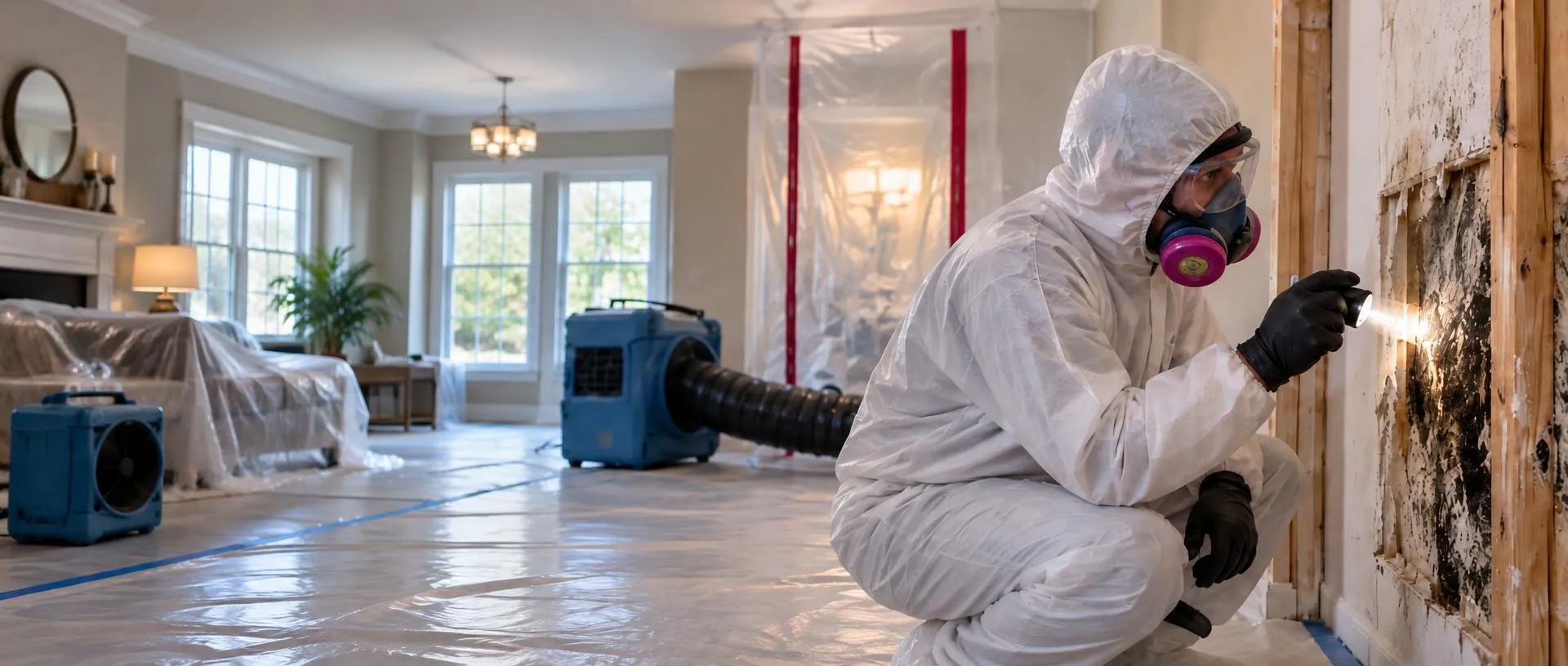
Mold, water and odor help for Georgia homes
Mold and Water Damage Help for Woodstock Homes
Tell us what you're seeing and we'll set up a time to take a look at your home.
Our work
How We Can Help
Mold remediation is our main work, and it covers finding the growth, containing it, removing damaged material and cleaning what's left. Around that we offer the related help a wet, moldy home usually needs: water damage restoration, drying, odor removal and air cleaning, new flooring and fresh paint.
All services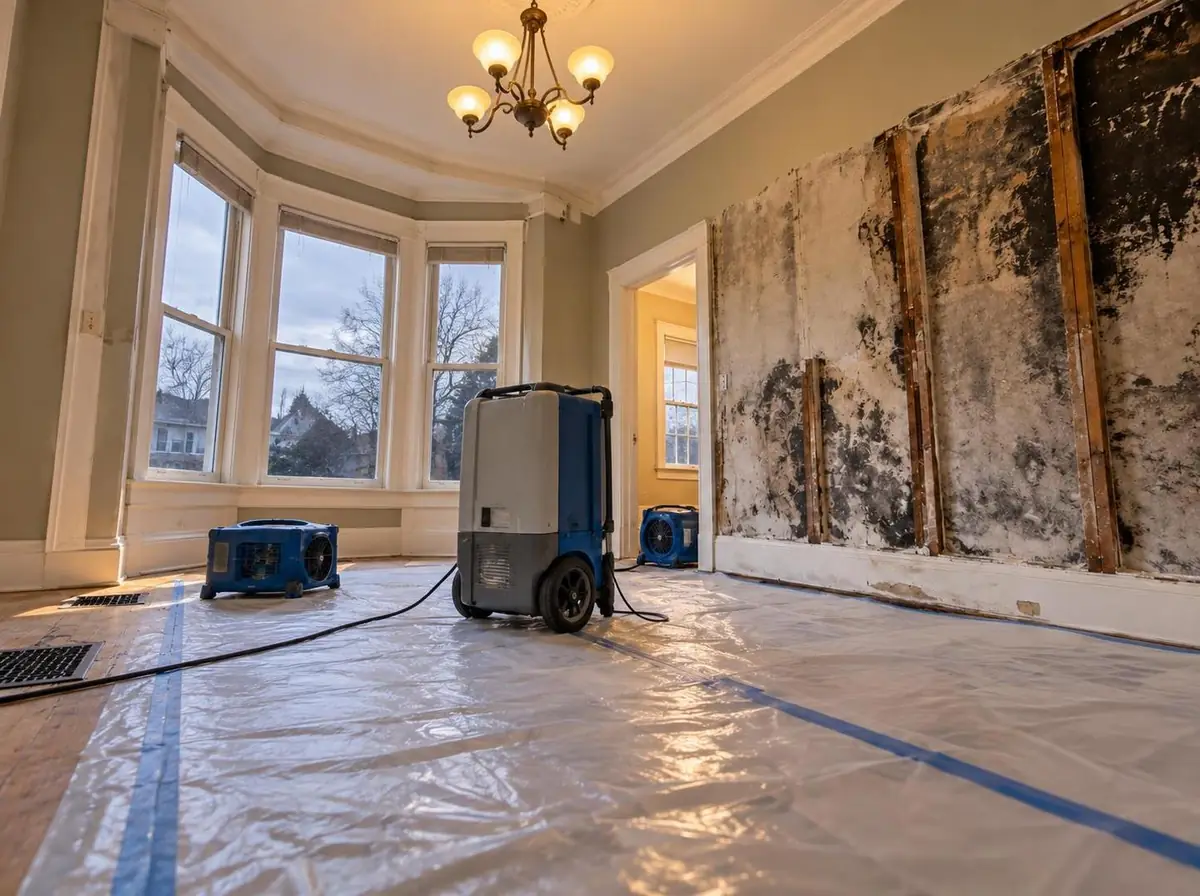
Mold Remediation
Containment, careful removal and a clean-up that goes after the moisture feeding the mold, so it has far less reason to come back in your Woodstock home.
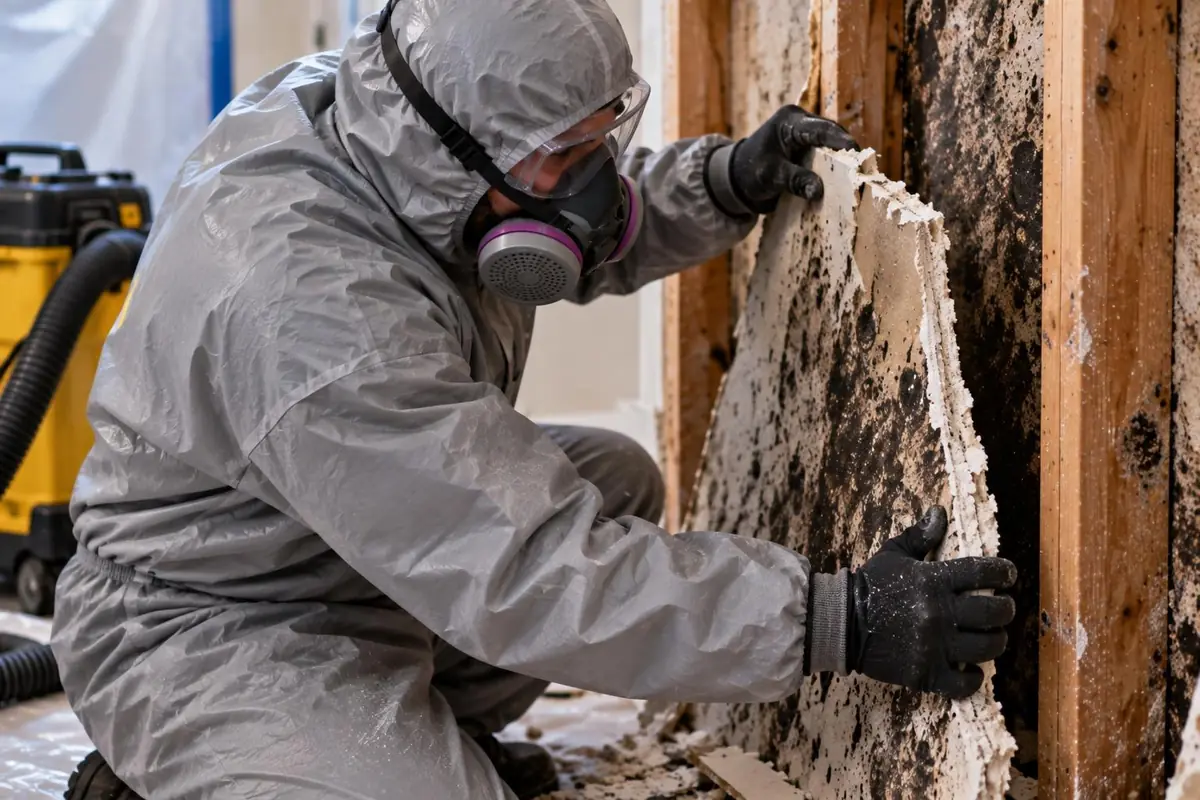
Water Damage Restoration
When water gets into your home, we pull it out, dry the structure underneath and repair what the water damaged, before mold gets a foothold.
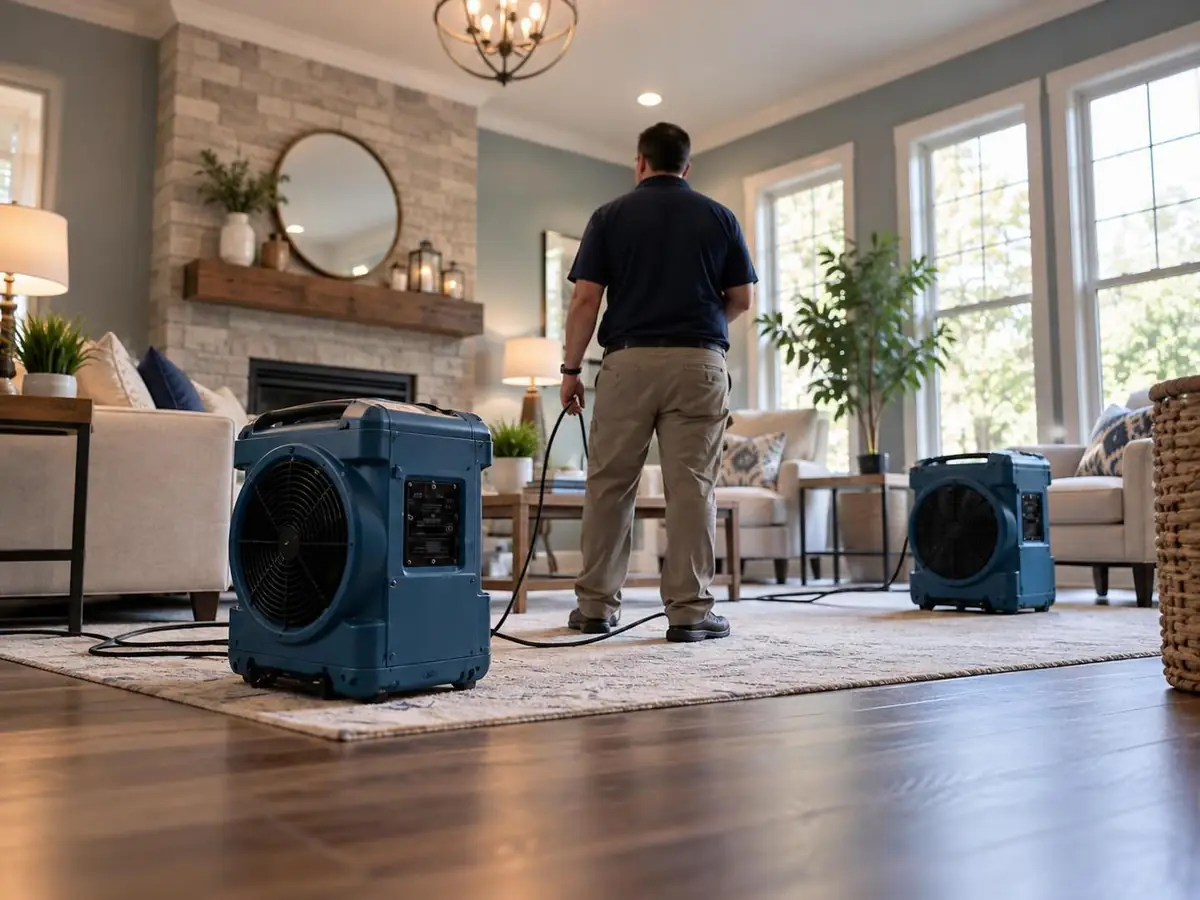
Odor removal / air purification
We clear musty, smoky and stale smells from your Woodstock home with HEPA air scrubbing and targeted odor treatments, and we deal with the cause so the smell stays gone.
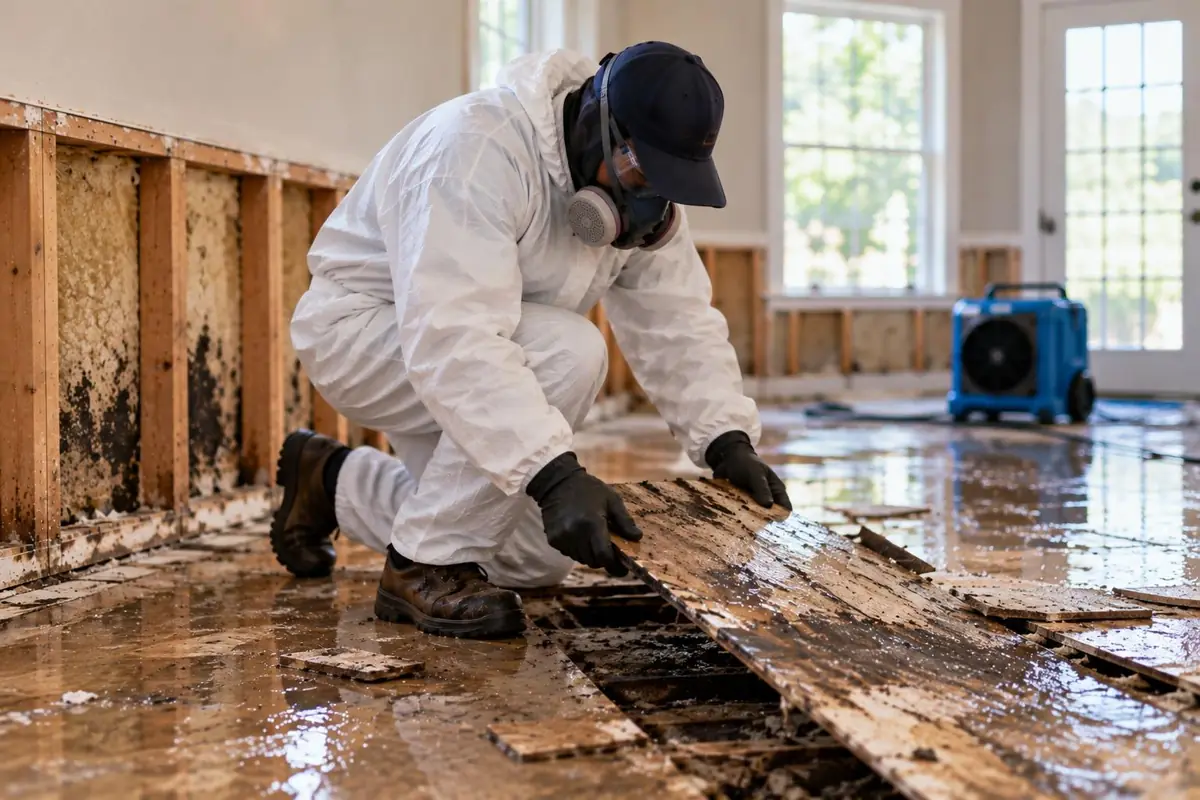
Carpet/flooring Replacement
We take out water or mold damaged carpet and flooring, check and dry the subfloor underneath, and install new flooring that suits your home.
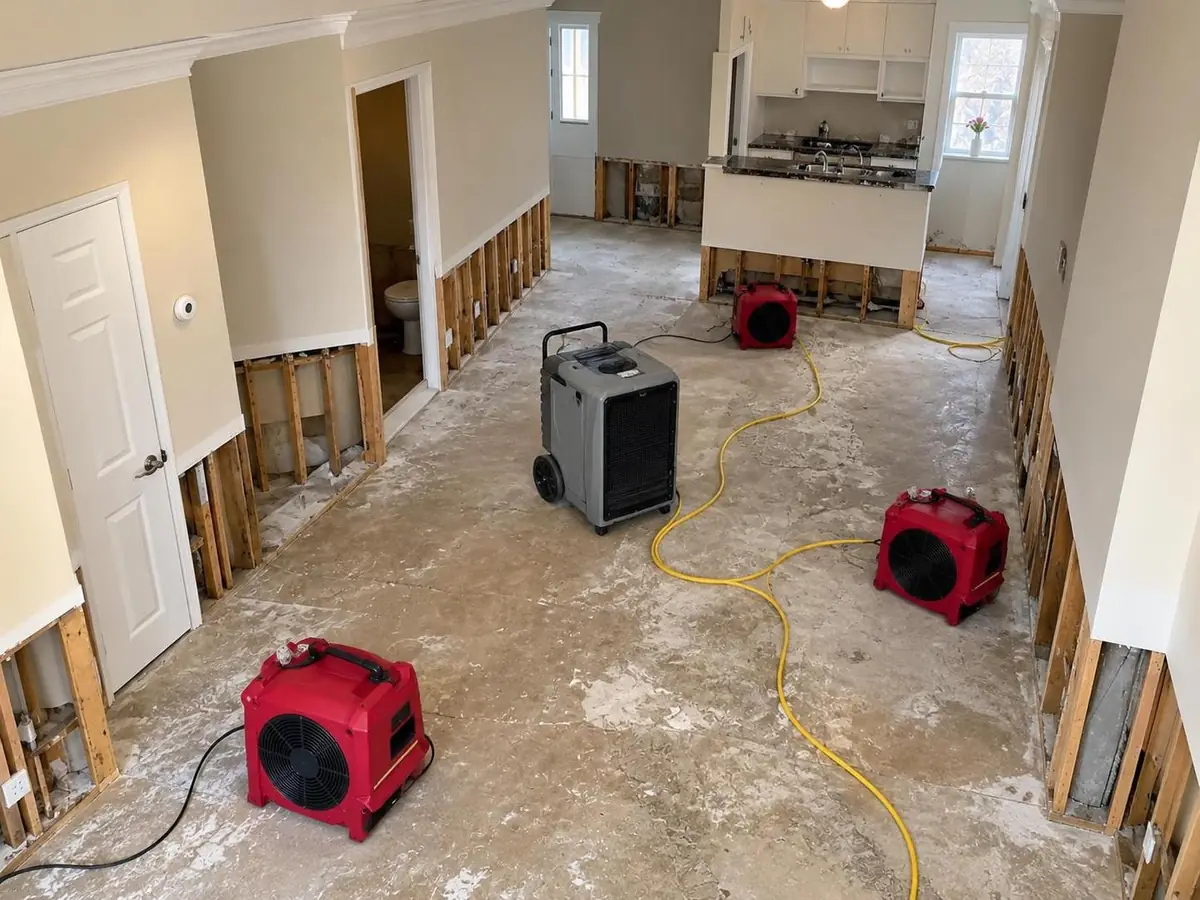
Dehumidification / structural drying
Calibrated dehumidifiers and air movers pull moisture out of your framing, subfloor, drywall and insulation, and daily readings show when it's truly dry.
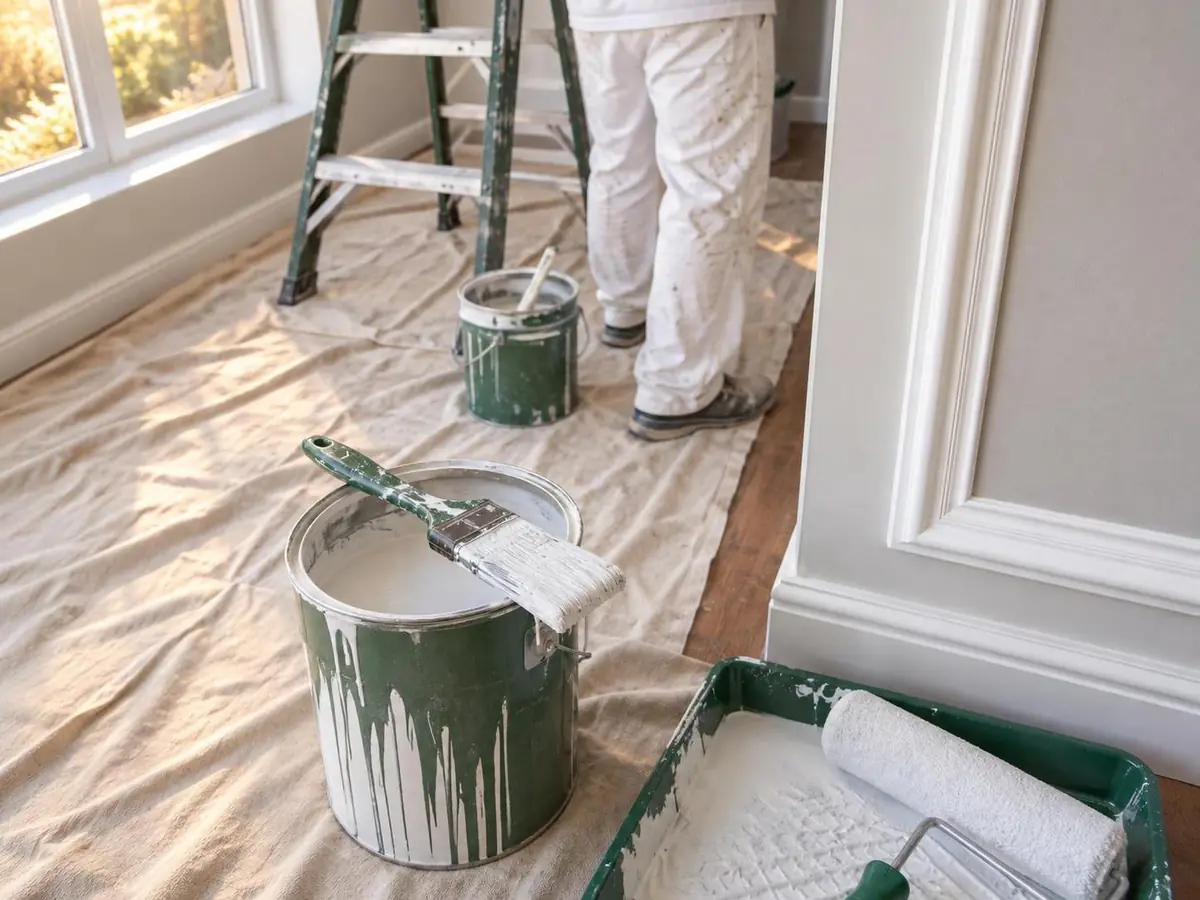
Painting and refinishing
Painting and refinishing finishes the job after water damage or mold, with stain-blocking primer, matched color and texture, and refinished wood once your home is dry.
Why choose us
Why Choose Woodstock Mold Remediation?
One Team for the Whole Problem
Mold usually follows water, so we handle both. You can count on us for removal, drying, odor control, flooring and paint, which means fewer phone calls and fewer handoffs while your home is a mess.
We Go After the Moisture
Cleaning mold without fixing what's feeding it only buys you time. We look for the source of the water and tell you plainly what has to be repaired so the mold doesn't return.
Careful Containment
Disturbed mold sends spores everywhere, so we seal off the work area and filter the air. You'll see plastic barriers and air machines, and your family stays clear of the work zone.
Straight Answers and Free Estimates
You'll get a clear explanation of what we found and what we'd do, with a free estimate after the inspection. No pressure, no vague numbers, and you can ask us anything along the way.
Who we are
Who We Are and How We Work
Woodstock Mold Remediation helps homeowners and property managers deal with mold and the water problems that cause it. We start with mold, and we also handle water damage restoration, drying, odor removal, flooring replacement and painting, so you aren't juggling several companies after one bad leak.
We talk to you like neighbors, not salespeople. You'll hear what we find, what we'd take out and what we'd clean, and why, before anything starts. Because every house and every leak is different, we price each job after looking at it, and you get a free estimate with no pressure to decide on the spot.
Get to know usWhat to do
What Mold Remediation Really Involves
Mold remediation is more than wiping off a stain, and that's the first thing worth knowing. Real remediation means finding the mold, sealing off the work area so spores don't drift into the rest of your house, taking out what can't be saved, cleaning what can, and fixing the moisture that fed it. If the water source stays, the mold comes back.
Here in Woodstock the humid summers and heavy storms give mold plenty of chances, so it often shows up after a leak, a wet crawl space or a stuffy attic. You may see dark spots, smell something musty or notice your allergies acting up at home. Whatever brought you here, get your free estimate and we'll start with a close look.
Local conditions
What Woodstock's Climate and Homes Mean for Mold
Georgia's humid, subtropical weather is the biggest reason mold sticks around here. Long, muggy summers and seasonal storms keep moisture in the air and in your house, and crawl spaces are a common trouble spot because ground moisture rises and condenses on cooler floor joists. Attics have the same trouble when poor ventilation traps damp air under the roof.
Many homes around Woodstock and the surrounding towns are older, with limited ventilation, and some have finished basements that hold moisture longer than you'd expect. A slow plumbing or roof leak can go unseen for weeks behind drywall. That's why we look beyond what's visible, and why fixing the moisture matters as much as removing the mold.
The process
How a Job Goes From First Call to Follow-Up
You Call and Tell Us What's Happening
Tell us what you've seen or smelled, where the water came from if you know, and how long it's been going on. We'll ask a few simple questions and set up a visit so you aren't left guessing.
We Inspect and Find the Cause
We look at the affected rooms and check for moisture in walls, floors and hidden spots. You'll hear what we found and where the water is coming from, and then you get a written, free estimate for the work.
We Contain, Remove and Clean
We seal off the work area, filter the air and take out materials that can't be saved. What can be cleaned gets cleaned. You stay outside the work zone, and we bag debris so it doesn't spread through your home.
We Dry, Rebuild and Check Back
Once the mold is handled, we dry the space and help with odor, flooring and paint as needed. Then we follow up to see how things look, so you know the problem is staying gone.
What it costs
What Shapes the Cost of Mold Work
Your cost depends mostly on how big the problem is and how far it has spread. A small patch in an easy-to-reach spot is a different job than mold inside walls, in a crawl space or attic, or near your HVAC system. Access matters, and so does what the mold has touched, since drywall, insulation and carpet usually need replacing while solid wood can often be cleaned.
Testing, drying time and any rebuild work after removal also play a part, and permits can come into it when repairs involve electrical, plumbing or structural work. Because no two houses are alike, every job is priced after an inspection, and the estimate is free. We'll explain each part so you know what you're paying for.
More in our cost guideDoes Georgia require a license to remove mold?
Based on our research, Georgia has no state license specific to mold inspection or remediation. Rebuild work above the contractor threshold does fall under the State Licensing Board for Residential and General Contractors. You can ask any company for its license number and credentials, and check contractor licensing with the Georgia Secretary of State.
Can I just spray the mold with bleach or a biocide?
Spraying isn't a fix. Killing mold leaves dead spores behind, and they can still set off allergies. The IICRC S520 standard puts physical removal first and treats antimicrobials as a follow-up step. Surface cleaning also does nothing about the moisture, so the mold tends to return.
How fast does mold start growing after water damage?
Mold can begin within about 24 to 48 hours of a surface getting wet, and some local restoration sites say 72 hours. That's why quick drying matters. If you dry things out fast, you may avoid mold altogether, so call us as soon as you notice a leak or flood.
Do I need a permit in Woodstock for mold removal and repairs?
Mold removal alone may not need one, but rebuild work with electrical, plumbing, HVAC or structural changes usually does. Inside city limits, Woodstock's Building Department can tell you what counts as an ordinary repair. Outside city limits, Cherokee County handles permits.
Can I stay in my home during remediation?
Often you can, as long as the work area is sealed off and you stay out of it. We'll talk about this before we start, because it depends on how large the job is and whether your HVAC system is involved. If a room is affected, plan to use the rest of the house.
Is mold testing necessary before you start?
Not always. If you can see mold, it needs to be dealt with whether or not a lab counts spores, and the CDC doesn't recommend routine testing. Testing can help with documentation or hidden problems, and an independent tester is a good idea if you want a neutral check after the work.
Will my homeowners insurance cover mold?
It depends on your policy and the cause. Mold from a sudden covered water loss is often treated differently from long-term seepage or humidity. Read your policy, take photos and call your insurer early. We can provide documentation of our work, but we don't negotiate claims on your behalf.
Where we work
Where We Work
We're based in Woodstock and we work across the north metro, including Marietta, Kennesaw, Roswell, Alpharetta, Johns Creek and Sandy Springs. You'll also find us in Atlanta, Brookhaven, Dunwoody, Peachtree Corners, Norcross, Doraville and Lilburn, and out toward Mableton and Smyrna.
Wherever you live in that stretch, the story is much the same: warm, damp air, older houses with tired ventilation and leaks that go unnoticed. If your town is on the list, or you're close to it, get in touch with your location and a few details about what you're seeing, and we'll tell you how we can help.



Get Your Free Estimate Today
Tell us what's going on at your place and we'll set up a free look at it.